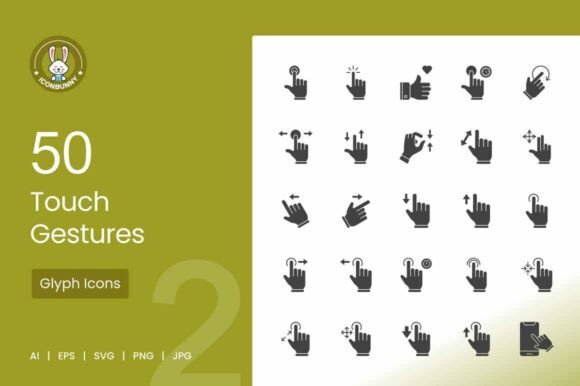
50 Touch Gestures Glyph Icons: A Designer's Review for Real Embroidery
As someone who has spent years stitching custom apparel and reviewing digital assets for small businesses, I have seen a thousand trends come and go. However, the intersection of modern digital language and traditional needlework is where things get truly interesting. Recently, I evaluated a set called 50 Touch Gestures Glyph Icons, and I want to share my honest perspective on whether this collection belongs in your next embroidery project or if it should stay strictly on the screen.
The First Impression: Modern Lines Meet Thread
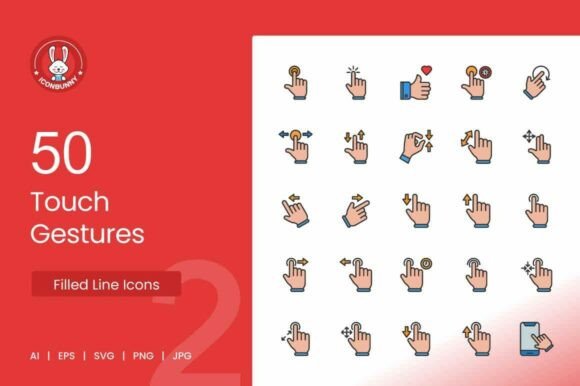
When you first open a package of design files, you are looking for more than just pretty shapes; you are looking for viability. The 50 Touch Gestures Glyph Icons immediately strike me as clean, minimal, and highly functional. They are designed in a distinct line style that mimics the intuitive nature of touchscreens—tap, swipe, pinch, zoom. This aesthetic creates a mood that is contemporary, tech-savvy, and effortlessly chic.
For an embroidery designer, the visual personality of these icons is crucial. Unlike complex floral motifs or heavy lettering, these glyphs rely on negative space and clear outlines. This suggests they will translate well into thread, provided the stitch density is managed correctly. They feel like they belong in a workspace that values efficiency and clarity, making them a perfect fit for branding items or modern home decor rather than traditional heirloom pieces.
A Real-World Scenario: The Tech-Savvy Tote Bag
To understand how these designs perform, let's look at a specific scenario. Imagine you are preparing inventory for an upcoming craft fair or updating your Etsy shop. You need a custom embroidered tote bag for a local coffee shop client that wants to appeal to a younger, digital-native demographic. The client loves technology but wants something unique, not just a standard logo.
This is where 50 Touch Gestures Glyph Icons shines. Instead of printing a QR code or a generic app icon, you could embroider a subtle sequence of gestures—a tap followed by a swipe—on the corner of the tote. It tells a story about interaction without being overwhelming. When stitched onto a sturdy canvas tote, these lines create a sophisticated texture that customers can actually feel. It transforms a simple accessory into a conversation starter, elevating the perceived value of the handmade product.
I also envision these designs working beautifully on sweatshirts for tech startups or university clubs. A single, centered glyph on the chest of a high-quality hoodie looks professional and sharp. It avoids the clutter often found on mass-produced merchandise. For a baby item, perhaps a onesie with a "pinch" gesture symbolizing growth or discovery, the design adds a playful yet educational element that parents appreciate.
Performance in the Hoop: Stitch Clarity and Texture
Translating vector graphics into stitches requires careful consideration of how thread behaves. Because the 50 Touch Gestures Glyph Icons are primarily line-based, they will likely utilize a combination of running stitches for the outlines and potentially satin stitches for bolder elements. This approach ensures that the design remains crisp and legible even after washing.
In commercial embroidery projects, clarity is king. These icons are designed to be recognized instantly, which translates perfectly to embroidery where fine details can sometimes get lost. On fabric textures like cotton twill or smooth polyester blends, the clean lines stand out against the weave, creating a polished finished product. However, the success of the project depends heavily on the thread colors chosen. High contrast is essential here; using black thread on white fabric or gold on navy will ensure the gestures remain visible and impactful.
Where to Exercise Caution
While this collection is versatile, there are specific situations where you must proceed with caution. Small hoop sizes present a significant challenge for detailed line work. If the design is scaled down too much for a 4x4 hoop, the delicate corners of the glyphs might merge together, resulting in a muddy appearance. Always test the design at its intended size before committing to a large production run.
Textured fabrics, such as terry cloth towels or chunky knits, can swallow up thin lines. While a kitchen towel is a great candidate for this design, the background texture needs to be relatively flat to maintain the integrity of the glyph shapes. Similarly, stretchy fabrics like jersey knit require a stabilizer that prevents distortion; otherwise, the straight lines of the gestures might curve unnaturally, ruining the geometric precision of the design.
Dense stitch areas should be avoided in the tightest corners of the icons. If the file includes fill stitches within the small spaces between fingers or lines, it may cause puckering. Additionally, products that undergo frequent industrial washing, like aprons or work uniforms, need to be tested for durability. Ensure the thread quality matches the fabric weight to prevent fraying over time.
Impact on Brand Consistency and Customer Trust
Using a cohesive set like 50 Touch Gestures Glyph Icons across multiple products can significantly boost brand consistency. If you are an Etsy seller offering a range of items—from pillow covers to patches—maintaining a unified visual theme helps customers recognize your work immediately. Professionalism in embroidery is often judged by the neatness of the stitching and the clarity of the design. These icons, when executed well, signal attention to detail and a modern design sensibility.
This level of quality fosters customer trust. Buyers are willing to pay a premium for personalized gifts that look thoughtfully designed rather than slapped together. Whether it is a holiday gift featuring festive twists on common gestures or a boutique product line for a digital agency, the clean aesthetic of these glyphs enhances the overall presentation of the handmade product.
Practical Notes for the Embroidery Designer
Before you hit the start button on your machine, there are several technical steps to consider. First, always test the design on scrap fabric that matches the final material. This allows you to check the stitch density and see how the thread interacts with the specific weave of your fabric.
Review the stitch count and file formats carefully. Since specific details regarding stitch counts or machine compatibility were not provided in the original description, you must verify these parameters yourself. Check if the design is optimized for both personal and commercial use by reviewing the license terms. Confirm whether you can sell finished items made from these designs, as some digital assets restrict commercial resale.
Inspect the small details closely under good lighting. Use a stabilizer appropriate for the fabric weight to prevent shifting. Compare light and dark fabric backgrounds to ensure the thread choice provides sufficient contrast. Finally, create printable mockups to visualize the design on different products before investing in physical materials. By following these steps, you ensure that the 50 Touch Gestures Glyph Icons deliver the professional result you aim for.
Ultimately, this collection offers a fresh take on embroidery design. It bridges the gap between our digital lives and tactile crafts, offering designers a new vocabulary to express modern themes through thread. With careful planning and execution, these icons can become a staple in your portfolio for custom apparel, personalized gifts, and creative business assets.